
Influencers and affiliates alike have found success in creating mobile app deep links with us at URLgenius—a gold mine of success mined from previously untapped potential. In fact, our friends who’ve signed up with us have garnered anywhere from three to … Read More

When it comes to vision-boarding any milestone or aesthetic—be it wedding plans, summer fashion looks, or fresh interior design ideas—we all know that Pinterest is the place to go (no scissors or magazines required!).
Pinterest is the perfect platform for influencers … Read More
Are your app advertising efforts slowing down to a near halt? Are you in the early stages of marketing your brand-new app? Or are you brainstorming new ways to innovate your app install campaign?
Regardless of what’s motivating your new app … Read More
Target Plus Marketplace has been making a very big name for itself in the e-commerce world in recent years. In fact, the retail giant has been proving itself a worthy contender in the face of competitors such as Amazon and Walmart.

Facebook groups are a common and useful way for influencers and affiliates to keep loyal followers updated on all the latest products they’re promoting. And if you’ve stumbled upon this blog post, we’re going to go ahead and assume that chances … Read More
Are you an influencer or an affiliate who regularly shares links to your favorite Nordstrom products with your followers? Is Nordstrom pretty much a big part of your brand image? If you answered yes to at least one of these questions, … Read More

Instagram, a visual symphony in the palm of your hand, invites you into a mesmerizing realm of pixels and stories. It’s not just a social platform; it’s a vibrant tapestry where moments are woven into a digital masterpiece. Or something … Read More
Are you a Target Plus influencer, affiliate, or seller who actively engages with hundreds, if not thousands, of loyal followers on Facebook groups? If you run a Facebook group that happens to be central to your Target product marketing strategy, this … Read More
You: A Target seller, affiliate, or influencer looking to skyrocket your Target sales. Right? The key is to strategically link to the Target app from all your “off-site” marketing channels, including your website, social media platforms (Instagram, Facebook, YouTube, TikTok), … Read More
It’s the year 2024, and Amazon has more than its fair share of competition when it comes to the virtual marketplace world, competition that includes Target Plus Marketplace. And no, it doesn’t stop at merely providing sellers with a great platform … Read More
Are you a Walmart influencer or an affiliate with another retailer, actively engaging with hundreds or even thousands of dedicated followers through Facebook groups? If your promotional strategy revolves around Facebook groups, this post is tailored just for you!
Today, we’ll … Read More

Sure, when we think about listening to music we typically think of apps such as Spotify and Apple Music as our go-to listening hubs. However, YouTube remains a staple streaming platform of the music industry—especially when it comes to music videos … Read More

Okay, so the birth of the Threads app may or may not have come about due to a rival app’s recent tumultuous change in acquisition. Still, it remains to be said that the platform offers another great opportunity for influencers … Read More
Walmart Marketplace has been trailing hot on Amazon’s heels in recent years when it comes to online sales in the e-commerce realm. At one point during the global pandemic, the company’s online revenue increased by 74 percent and exceeded eBay, making it the … Read More

Linktree has emerged as the tool for content creators, influencers, small businesses, nonprofits, and everyone else to consolidate multiple links into a single, easily shareable single link that forwards users to a consolidated menu of clickable onlinedestinations.
The way it works: sign up for the … Read More
Create single QR code that can immediately routes your customer to the right localized website or app that corresponds with their preferred language preference! Yes, I’m talking about one intelligent QR code that contains logic within it that instantly sends your user to the right location. Create your multi-language QR code in minutes and use the scanning data to enhance your first-party data strategies.Read More
The $$$ has settled and another Amazon Prime Day is in the record books! What’s clear is that influencers and affiliates have never had more sway over product discovery and sales heading into the holidays. We hear from our influencers … Read More
Fat Kid Deals is the popular deal site that has over 600K followers and growing. The company was founded as a hobby for a team that enjoyed finding and sharing the best deals on the internet.
When FKD discovered URLgenius, they were looking for … Read More
This well-known luxury cosmetics brand became a runaway success in the 1990’s. The company produces renowned skincare, haircare, and fragrance products for a global audience. For competitive reasons, the company wanted to remain anonymous but this case study outlines their journey … Read More
One thing that all of our Amazon influencers have in common is that they sure do love online shopping! Tara is no exception and got her start as an influencer in 2019 after she sold her clothing business. It seemed to … Read More
Karla is a stay-at-home mom and a serious fan of Amazon & online shopping. She took her passion for deal hunting and turned it into a thriving business where she hunts for deals, discounts and special offers and shares them with … Read More
It’s a lot of work to be a successful fashion or lifestyle influencer, but you know you’re doing something right when you’re approaching 200K followers on Instagram! Alaina Kirsch is growing her fanbase fast, and URLgenius is an important part of her strategy to maximize commissions. … Read More
When Amazon influencer Val at Lucky Life Blog started using URLgenius links she was skeptical at first but that changed quick when she instantly saw a big increase in conversion and commissions! Val is a power user of Instagram stories and as a … Read More

Amazon influencer Sweet Deal Canada is seeing a pretty sweet increase in commissions using URLgenius links in social media promotions! This influencer finds the best deals on Amazon Canada and shares them with a loyal following across their social media channels.
At the … Read More

In May 2023, Google announced it is shutting down Firebase Dynamic Links, which is part of the Firebase platform and offers deep linking capabilities. Google is no longer recommending Firebase Dynamic Links for new mobile app development projects.
An exact date … Read More
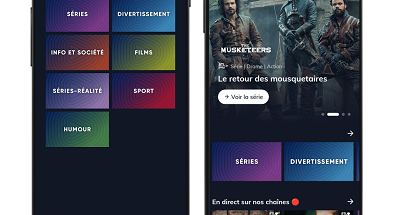
RTL Group is Europe’s leading entertainment brand that reaches millions of people across the continent every day. The company operates 56 television channels, eight streaming services, and 36 radio stations. RTL Group’s TV channels are either number one or number two … Read More
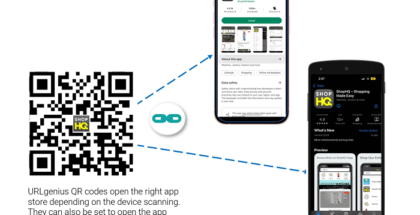
Owned and operated by iMedia Brands, ShopHQ is the American cable, satellite, and live broadcast home-shopping TV network that reaches approximately 90 million US homes with unique shopping entertainment and product storytelling. ShopHQ programming is live-streamed at ShopHQ.com, Facebook, and from … Read More
It can’t be denied—mobile apps are revolutionizing the healthcare industry. In fact, there are over 95,000 mHealth apps for patients and doctors listed in the app stores, with MyChart being the leading app for patients to manage their medical records and appointments.
Healthcare … Read More
Are you an Amazon Associate or an affiliate with another retailer with hundreds or even thousands of loyal followers that you engage with via Facebook groups? If so, this post is for you!
We’re going to show you how to … Read More
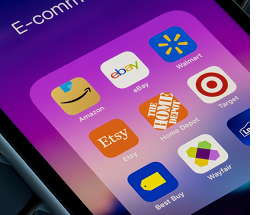
Linking into marketplaces and e-commerce apps (Amazon, Walmart, etc.) from social media and other channels is fast becoming one of today’s hottest marketing strategies to increase revenue for brands and commissions for affiliates. One important reason is that today’s ‘app-to-app’ linking technology is … Read More

Are you an affiliate marketer looking for an innovative way to skyrocket your sales commission and overall conversion rates? No matter what e-commerce company you’re partnered up with—Amazon, Target, Walmart, or any other—it can be tricky figuring out what tools and techniques … Read More
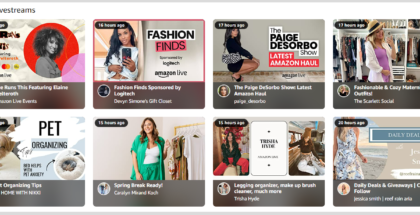
As an Amazon Live Influencer, you not only have the ear of your customer, you have the full attention of Amazon itself! Once you become wildly successful, you might even be wined and dined by Amazon at fancy paid getaways in Mexico, … Read More
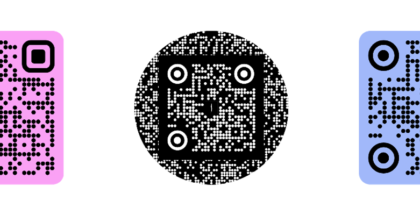
Are you ready to take your QR codes to the next level? Customizing QR codes is the new norm as brands and marketers fiercely compete for scans from tech-savvy consumers who never leave home without their smartphones. Marketers are quickly mastering … Read More
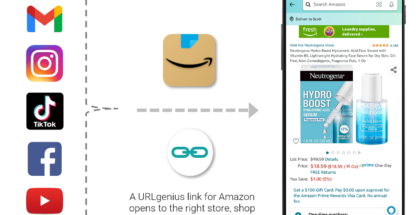
Whether you’re an Amazon seller, associate, or influencer; an important part of increasing your Amazon sales is making sure that you link to the Amazon app from every ‘off-site’ marketing channel. That means your website, social media (Instagram, Facebook, YouTube, TikTok, … Read More
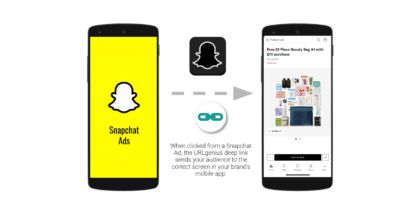
Since Snapchat opened its platform up to advertising in 2014, the social app has proven itself as a fountain of potential revenue with a unique reach.
In fact, as of January 2022, the number of daily Snapchat users totaled approximately 319 … Read More
QR Code to App for Touchless Commerce
In today’s digital age, QR codes have been given a new lease on life, particularly in the realm of mobile apps. With consumers constantly on their phones, QR codes, and mobile apps make for … Read More
As the social media landscape continues to evolve with new social networks, it’s easy to forget that YouTube is one of the OG apps that set a precedent for social media advertising. For consumers, it’s still the leading ‘go-to’ destination not … Read More
What was once mainly a place for teens to upload trendy dance moves, TikTok reached the milestone of 1 billion users worldwide by September 2021 by masterfully attracting creators and viewers of all demographics to its platform. In tandem with this growth, it … Read More
Instagram’s ad revenue is forecasted to grow to an incredible 39.7 billion dollars. If your advertising budget is part of that forecast, you already know that the platform gives your brand a lot of ways to promote its products and services, including profile … Read More
It’s no secret that consumers spend a lot of their time on their mobile devices—more than 4 hours per day! Of course, a lot of that time is a reflection of how often consumers tend to jump in and out of their favorite apps (including … Read More
If you’re setting a paid search campaign for Amazon you need an app deep link or miss out on measuring sales and engagement for remarketing. In other words, your campaign drives almost zero measurable benefit. That’s why you’re seeing clicks in the Amazon ads console but and no conversion but your overall sales are going up and the your campaign isn’t getting credit. This post shows you how to fix it.Read More
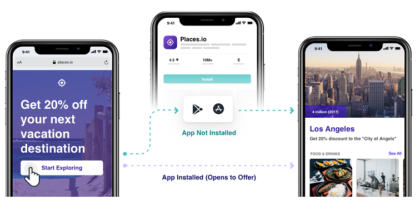
Every online marketer around the world is probably familiar with Google Analytics for measuring web traffic and campaign attribution, but what about mobile apps? Marketers are discovering that with the right campaign link it’s possible to route traffic to a brand’s … Read More
Have you been thinking about advertising products on Amazon through non-Amazon channels such as Facebook, Instagram, or TikTok? Or maybe even via Google search ads that go directly to your Amazon product listings? Well, now is the time! Amazon is offering a big financial … Read More
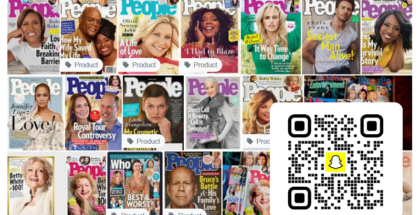
It’s 2022, and by now (courtesy of the recent pandemic), we are all familiar with QR codes and how to use them. What was once a cool way to save time is now an essential enterprise solution that is taking the … Read More
Instagram has exceeded all expectations when it comes to its status as a trailblazing app. Once upon a time, it was just a virtual space where people could upload their mobile photos in a square frame (1:1 aspect ratio), add different … Read More
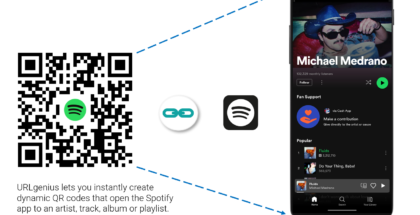
It’s amazing how quickly Spotify became a powerful music streaming platform for millennials. Daniel Ek founded the platform in 2006 with the main goal of stopping people from stealing music and helping artists get more fair pay. And now? It … Read More

So you have a YouTube channel and, naturally, you’re looking to increase your subscribers. You’ve gone down the typical routes, i.e., promoting your YouTube channels and videos via other platforms such as Instagram and TikTok (which is great!), through email marketing, … Read More
Introduced to the world in 2010, Instagram went from creating ripples in the social media world to transforming into a tsunami to contend with (to the point that Facebook bought the company for $1 billion less than two years after its … Read More
Marketers all know that social media marketing done right is an effective way to promote your business or brand. It gives you the platform to connect with customers directly and build a loyal following over time.
So whether you’re a business … Read More
Do you use Amazon Attribution tags on your ‘off-Amazon’ to Amazon initiatives? This case study is about using URLgenius app deep links to open the Amazon app from off-site channels including Social media ads TikTok and Instagram while using Amazon Attribution measurement tags. Learn how to increase sales by 800% compared to regular Amazon links.Read More

If you haven’t been to Italy on vacation recently, you may not know that Exploding Bands Media is a renowned music advertising agency based in Milan. The team of marketing experts and dedicated music enthusiasts proudly have some of the hottest … Read More
While not everyone has the same taste in music, most people seem to have the same taste in their preferred music platform. Spotify holds the title of the most popular music streaming service, with 433 million users and 188 million subscribers worldwide.
For some, Spotify … Read More
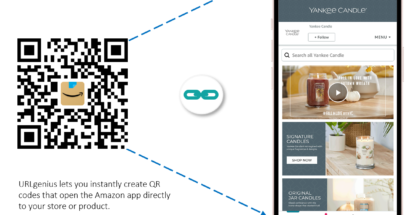
A dynamic Amazon QR code that opens the Amazon app directly to your product page can drive traffic to your business and increase sales!Read More
Whether you’re just getting started or you already have a presence on Mercado libre, you can maximize your marketing efforts with the right links that get your shoppers back into the app from any channelRead More
We all know the ongoing joke about the retail store that everyone loves— you just can’t step into Target without spending at least $50 on items you just didn’t know you “needed”. The store seems ubiquitous, as the retail giant has … Read More
This post covers the benefits of advertising your Amazon storefront and products on the Snapchat platform with a focus on how app-to-app Amazon deeplinking helps you maximize sales. Snapchat app deep links drive sales, engagement and remarketing for your Amazon store and product listings! Best of all, you can easily measure your results at the link or influencer level with Amazon Attribution.Read More
Learn how YouTube videos with Amazon app deep links can increase sales by 2x, 3x, or even 4x. Plus you can measure your results at the influencer level with Amazon Attribution tags. URLgenius is a verified Amazon attribution partner best of all, there is no SDK and nothing to install or tech resouces needed.Read More
We’ve all casually scrolled through our Facebook feed, only to stumble upon an advertisement for a product that— to say the least— really gets us. (I was just thinking about getting some new sunglasses, and those look great!)
Or perhaps you see an … Read More
You can link to open directly to a specific review in the Amazon app while securely jumping over that Amazon website login— but only if you have the right type of app deep link— and URLgenius is here to help. There’s nothing to install and you can create one immediately to help increase Amazon rankings.Read More
Learn how to app deep link from the Instagram app to the Amazon shopping app and jump over that Amazon mobile login. Link to open the Amazon app to the right screen while passing Amazon Attribution tags for measurement will help you boost engagement, product consideration, revenue and ultimately your product rankings.Read More
A dramatic increase in scans with URLgenius made the JTV team view QR codes in a much more strategic way. Not just a shortcut, they act as a key that lets consumers unlock the value of the JTV brand. The company is just starting to discover what they can achieve with QR experiences but already seeing the results. Read More
URLgenius and Amazon Attribution is a powerful combination for driving sales and your filling your funnel for remarketing! This post tells you how to link from social media apps like Instagram, Facebook and TikTok to the Amazon app. The key is to open the Amazon app from social media and pass Amazon Attribution tags.Read More

URLgenius is the app deep linking platform with a patented process to open social apps like YouTube or any app. To open the Instagram app from the YouTube app you simply need to update your YouTube links which will give them the ability to securely jump over that website login. After all— social apps are persistently logged-in so you just need to open the app to the right screen.Read More

URLgenius offers a unique dynamic QR code generator with a patented process for phone numbers (or SMS or Email) that allow the scanner to immediately place a call to the right number on any device— no more fumbling around try to find the right number Dynamic you can control the destination of the QR and scan— whether the QR opens a web page, an email, an SMS text or an app (in this case, the phone app). This post shows you how to create one step-b-step!Read More
TikTok has eclipsed the world of social media apps, and the company’s advertising platform is positioned to challenge Facebook’s dominance over the domain. The main reason you should be advertising directly from TikTok to the Amazon app? Because of the impressive growth of TikTok’s advertising platform. The secret is using URLgenius Amazon app deep links with Amazon Attribution tags. Why not grow with TikTok and let your marketing team ride those coattails to increase e-commerce sales on Amazon?Read More
URLgenius allows sellers, marketers and, agencies to update Amazon store and product links so they can detect and open the Amazon shopping app when found on the user’s mobile device. Deep linking to the Amazon Shopping app vs. mobile website will help you increase sales, engagement for remarketing and your product rankings. URLgenius links also supports Amazon attribution for sellers and affiliates.Read More
How can your brand begin to transition into creating a substantial audience and campaign on TikTok? How do you increase your TikTok followers? We have one answer for you: Create a custom QR code that opens the TikTok app directly to your brand’s profile and make sure to use it in all of your marketing channels. Here’s how to make one.Read More
QR codes that open apps have become an incredibly popular and powerful way to increase brand engagement. What better way to direct individuals to your Instagram profile? This post teaches you how to make a QR code for your IG profile in minutes!Read More
The key thing to remember about QR codes for Facebook is that they need to open the Facebook app. Most QR code generators cannot create codes that open apps (which means you’ll be sending your visitors to the Facebook website login instead!) Here’s how to create a Facebook QR code for your profile, event or Facebook group.Read More
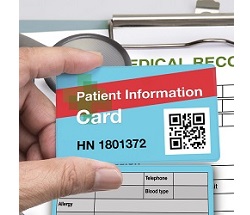
The QR code has become an important tool for driving patient patient engagement with healthcare brands. Combined with mobile apps, QR codes are a powerful combination for driving engagement content and care providers. In this post, we’ll show you how to create a QR code designed to open a mobile healthcare app and we’ll also share some tips on how to get your QR experience right and how to avoid a QR code failure.Read More
How marketers can increase sales 200% or more with links that open the Amazon app to the right product screen from any marketing channel including Facebook and other social media apps.Read More

QR codes are an easily misunderstood technology. This often leads to critical mistakes in QR marketing. But thanks to Coinbase and Super Bowl LVI, we all just experienced what a successful QR ad can look like at scale. (The results … Read More
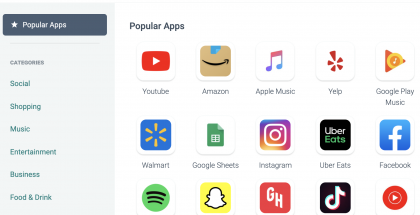
One of the best kept secrets in mobile marketing is that all of the popular social media apps use well-defined URL address “schemes” for key pages inside the mobile apps. These app URL schemes are typically defined for enabling … Read More
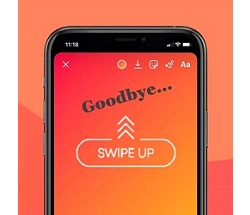
Using your brand’s domain with Instagram Link Stickers presents brand continuity to your audience looks more professional. More importantly, it inspires trust in the link and that will lead to higher conversion helping you reach your goals faster.Read More

Visits by city and the language-region preferences of your audience are important tools for ad campaign optimization and for making decisions about localizing content. This isn’t new for website marketing but the concept is now being applied to social and brand app marketing more easily. Read More
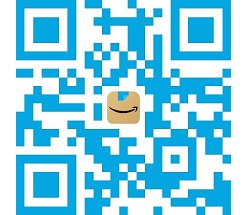
Wondering about the smallest QR code size that can still function? Or the minimum QR size for print? The three most important variables in calculating a QR code are display size, density and scanning distance. Functional scanning distance is determined by display size and density which have an inverse relationship when display size is constant. Platforms like URLgenius remove a lot of the guesswork for you.Read More
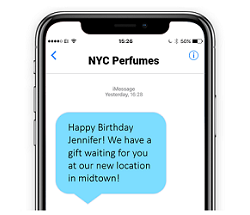
Marketers can create deep links and QR codes that will open the SMS app on their iOS and Android device with a pre-populated message. SMS text messaging deep links look like regular links but have app intelligence built in that can open the right SMS app.Read More

App store icons provide a familiar experience but separate links can be inefficient especially when scaling a campaigns on smaller screens and ad formats. Create a single app download link that can automatically determines if a consumer is on an iOS or Android device and route to the right appropriate app store.Read More

5 of the most common mistakes marketers make with QR codes – and how to avoid making them yourselfRead More
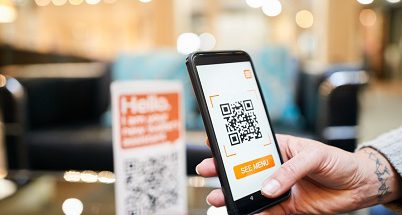
As a marketer, your number one job should always be to deliver brand trust to your consumers – matching your promises to their needs, staying relevant with the times and always acting in their interests.
A recent Deloitte … Read More
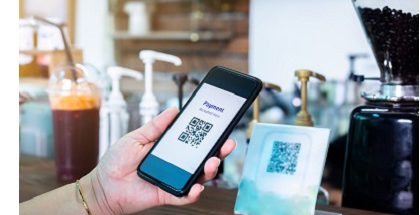
One of those rising stars of contactless marketing is the QR code. But being the savvy marketer you are, you know that they’ve actually been around for quite some time. Consider the evolution of the QR, why they’re popular again and what you need to know today create successful future campaigns that maximize scanning and conversion.Read More
Apple’s new privacy policy presents new challenges for marketers. Whether your goals are increasing brand engagement or app installs, there are innovative, organic campaign techniques that exist today that do not require SDKs or put your company at risk for a data breach or a privacy backlash.Read More
Rebaid, the service that connects marketplace sellers and brand owners with shoppers, covers some best practices on how to have a great launch as a seller on marketplaces including Amazon, eBay and Etsy.Read More
How do your get your Facebook audience to focus on a specific post especially those that are time sensitive? The answer is to link directly to that post in the Facebook app not just the Facebook website. This post tells you how.Read More
We sat down with the owner of an affiliate publisher site in Europe to learn more about affiliate marketing and today’s online shopping environment. He is seeing incredible results and wanted to share his experience and best advice for increasing conversion and commissions with Amazon app deep linking.Read More

We sat down with Manuel Suarez, CEO and Founder of Attention Grabbing Media, to more learn about marketing and selling on Amazon and how URLgenius has helped the company double conversion for Amazon sellers and is now an important part of the company’s strategy.Read More
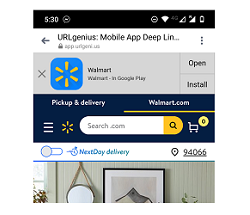
App install banners can be a powerful tool for driving organic app installs and yet many companies still do not use them or deploy solutions with limited success. This blog post will tell you how to implement banners for your your website designed to accelerate organic installs while lowering your cost per install (CPI).Read More
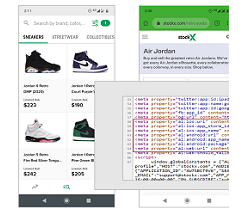
If your company is shifting its resources to focus more on app marketing you are not alone. Amid the economic turmoil created by the Covid-19 crisis, the app market continues to see strong growth as consumers get ever more accustomed … Read More
URLgenius is used around the world by marketing agencies large and small. We Are Social is a well know international marketing agency with offices around the world. Recently, the company did some testing with the URLgenius platform and were so impressed with the platform, paid media manager, Alexandra Williams, participated in a blog post about her experience and why URLgenius is an important part of their strategy for paid social media campaigns.Read More
According to eMarketer, adults in the U.S. spent 90% of smartphone time and 77% of tablet time in mobile apps vs. browsers in 2018. Linking to apps has become increasingly important for marketers and agencies to increase conversion. Routing … Read More

Recent Comments